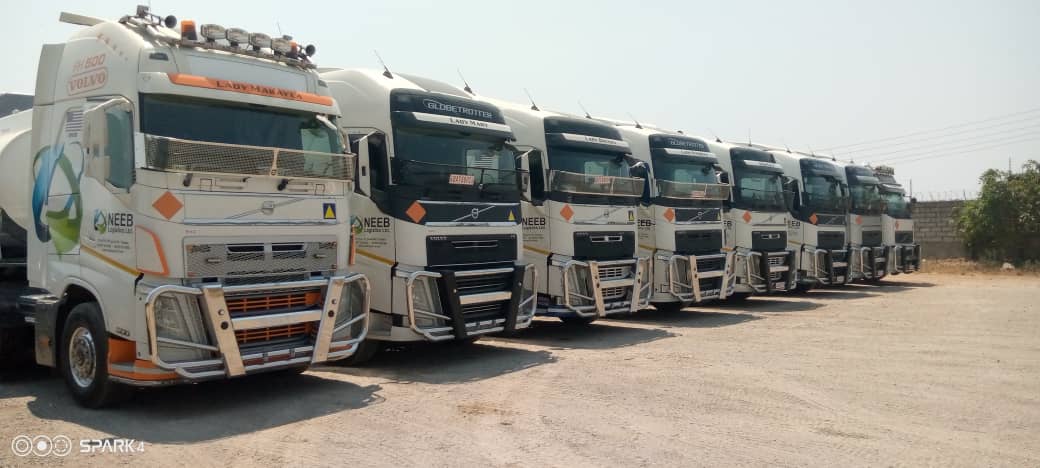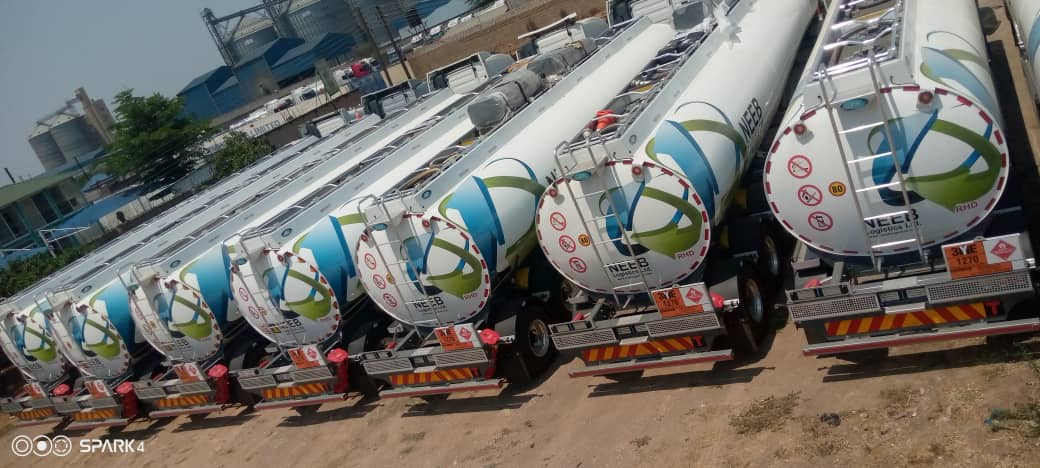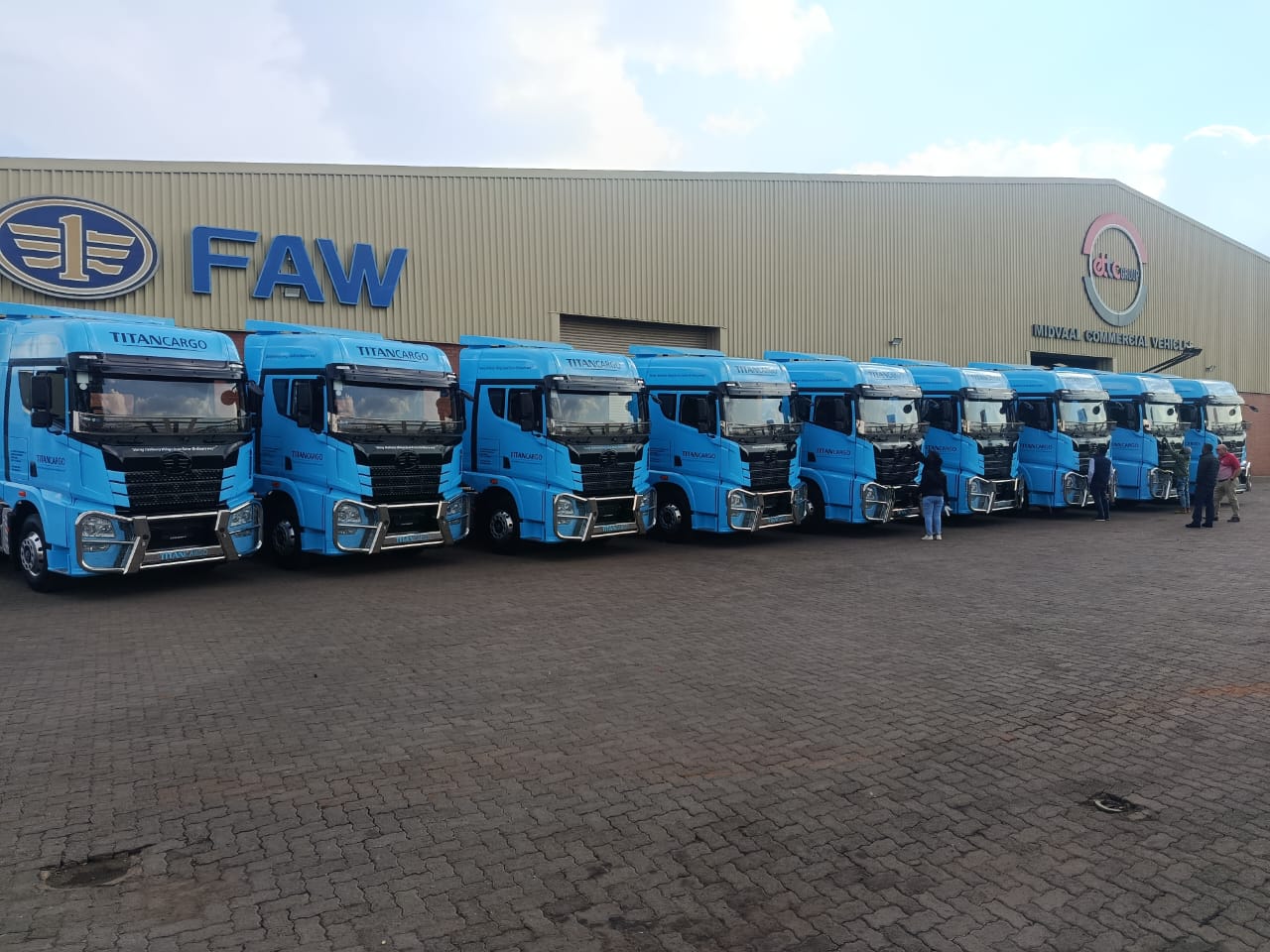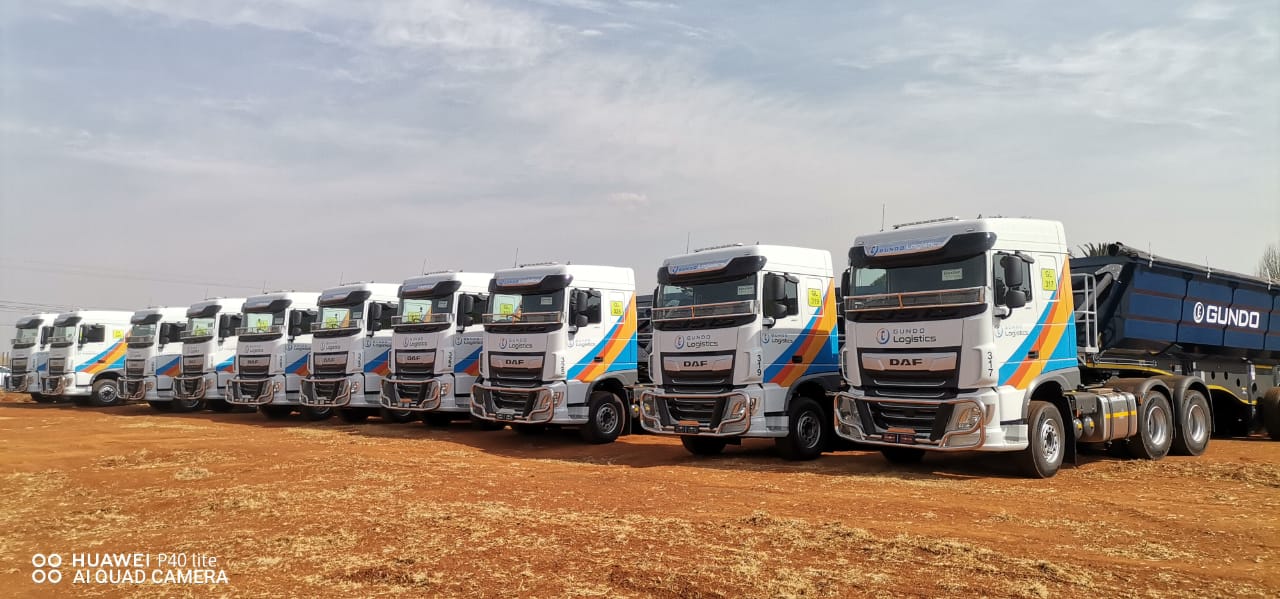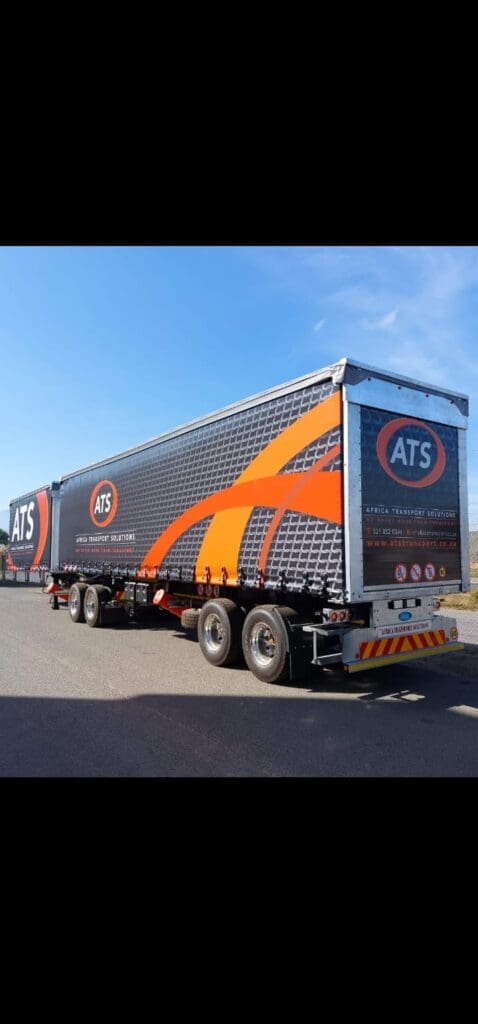
Truck branding is one of the most cost-effective forms of advertising in South Africa. A single branded vehicle can generate thousands of impressions daily, whether it’s operating in urban centres, industrial zones, or on national routes. But one of the most common questions fleet owners and business managers ask is:
How long should vehicle graphics actually last—and what affects their lifespan?
The answer depends on materials, installation quality, usage conditions, and ongoing maintenance. Understanding these factors helps businesses protect their investment and keep their brand looking professional on the road.
Average Lifespan of Truck Branding in South Africa
Under normal operating conditions, professionally installed vehicle graphics should last:
- Vinyl decals and lettering: 3–5 years
- Partial truck wraps: 4–6 years
- Full truck wraps: 5–7 years
- Branded tarps and removable covers: 2–4 years (depending on material and exposure)
These timeframes assume quality materials, correct installation, and reasonable care. In harsher environments—such as long-haul logistics, mining, or agricultural transport—branding may require earlier replacement.
Key Factors That Affect Truck Branding Longevity
1. Material Quality
Not all vinyl or branding materials are created equal. Cast vinyl, UV-resistant inks, and laminated finishes last significantly longer than cheaper alternatives.
Low-cost materials may fade, crack, or peel within 12–24 months, especially under South Africa’s intense sun.
2. South African Climate Conditions
Local weather plays a major role in branding lifespan:
- High UV exposure accelerates fading
- Heat expansion can cause lifting at edges
- Dust and debris act as abrasives
- Heavy rain and humidity weaken adhesives over time
Trucks operating in provinces like Gauteng, Limpopo, Northern Cape, and coastal areas experience different stress factors that should be considered during material selection.
3. Vehicle Usage and Operating Environment
A city delivery truck will experience far less wear than a vehicle used for:
- Long-distance freight
- Construction or mining transport
- Agricultural hauling
- Gravel and off-road routes
The more vibration, wind resistance, and debris exposure a truck faces, the faster branding will degrade.
4. Installation Quality
Even premium materials will fail if installed incorrectly.
Professional installation ensures:
- Proper surface preparation
- Correct temperature during application
- Edge sealing and alignment
- No trapped air or tension points
Poor installation is one of the leading causes of early peeling and cracking.
Signs Your Truck Branding Needs Attention
Ignoring worn branding can damage your brand image and credibility. Watch for:
- Fading or discolouration
- Peeling edges or corners
- Cracking or bubbling vinyl
- Torn or stretched branded tarps
- Outdated branding or contact details
If branding no longer looks professional from a distance, it’s time to repair or replace it.
How to Extend the Life of Truck Branding
Regular Cleaning
- Wash trucks gently using non-abrasive cleaners
- Avoid high-pressure washing directly on edges
- Remove dirt, oil, and road residue regularly
Parking and Storage
- Park in shaded areas when possible
- Avoid prolonged exposure to direct sun
- Use covers for stationary vehicles
Protective Solutions
- Use branded tarps or covers for load areas
- Protect high-wear zones like tailgates and sides
- Combine branding with functional covers for dual purpose use
Branded Tarps vs Permanent Vehicle Graphics
For many South African businesses, branded tarps offer a practical alternative or complement to vinyl graphics.
Benefits of Branded Tarps:
- Easier and cheaper to replace
- Protect both cargo and branding
- Suitable for seasonal campaigns
- Ideal for flatbeds, tippers, and trailers
While permanent wraps last longer, tarps offer flexibility and reduced long-term risk in high-wear environments.
When Should You Replace Truck Branding?
You should consider replacement when:
- Branding no longer represents your business professionally
- Damage affects readability or visibility
- Your logo, colours, or messaging have changed
- The cost of repairs exceeds replacement value
Well-maintained branding is an asset. Poorly maintained branding becomes a liability.
Truck Branding as a Long-Term Business Asset
When done correctly, truck branding is not a once-off expense—it’s a long-term marketing investment. Businesses that choose quality materials, work with experienced installers, and follow basic maintenance practices consistently outperform competitors who treat branding as disposable.
A clean, visible, professional truck builds:
- Trust
- Brand recognition
- Perceived reliability
- Local authority
Frequently Asked Questions (FAQ)
How long should truck branding last in South Africa?
Between 3 and 7 years, depending on materials, exposure, and maintenance.
Does sun damage vehicle graphics?
Yes. UV exposure is the biggest cause of fading and cracking in South Africa.
Can damaged truck branding be repaired?
Minor peeling or lifting can sometimes be fixed, but widespread fading usually requires replacement.
Are branded tarps shorter-lasting than vinyl wraps?
Yes, but they are easier and cheaper to replace and offer additional load protection.
Is cheap branding worth it?
Low-cost materials often fail early, resulting in higher long-term costs and poor brand perception.
Should fleet branding be replaced all at once?
Ideally yes, to maintain brand consistency—but phased replacement is common for large fleets.
Final Thought
Maintaining truck branding isn’t just about appearance—it’s about protecting your brand, maximising return on investment, and presenting a professional image wherever your vehicles operate.
Businesses that treat truck branding as part of their asset management strategy, rather than a once-off expense, consistently gain more value from their fleet.